
International Day of Women and Girls in Science: Dr Jemma Rowlandson
“If you love science, then you belong in STEM.”
GW-SHIFT Co-Investigator and Theme Lead of Storage and Distribution, Dr Jemma Rowlandson, sat down with us on International Day of Women and Girls in Science to discuss her experience as a mechanical engineer, hydrogen researcher, educator and champion for the next generation of women and girls in science.

For Dr Jemma, an innovation-focused Senior Lecturer in Thermodynamics at the University of Bristol, her journey into STEM didn’t begin with a lifelong plan; it began with teaching influences
“My Year 10 teacher was just so amazing and inspiring,” she recalls, reflecting on the moment everything shifted. Being moved down a set felt “quite disappointing at the time,” but her new teacher became the person who unlocked her curiosity for chemistry and ultimately began the pinpoint of her career.
“From that point onwards, I knew I wanted to do science.”
Making her way through educational achievements across several years, a practical doctoral training programme at the University of Bath’s Centre for Sustainable Chemical Technologies (CSCT), designed to blend chemistry and engineering, sealed her path into interdisciplinary research with the help of her PhD supervisors.
“I had a cracking team,” she says. “They supported me, they believed in me, and they supported my interests while still guiding me down the right path.” Her experience, full of encouragement, guidance and independence, helped shape both the scientist and educator she is today.
But it wasn’t always easy. Towards the end of her PhD, Jemma battled intense imposter syndrome.
“I remember thinking it’s too hard, I don’t deserve this. Then my friend said she felt the opposite; her PhD was too easy. That’s when it crystallised, no matter the experience, we both felt like we didn’t deserve the results we got.”
It’s a conversation that has stayed with her and fuels the empathy she brings into her teaching now.
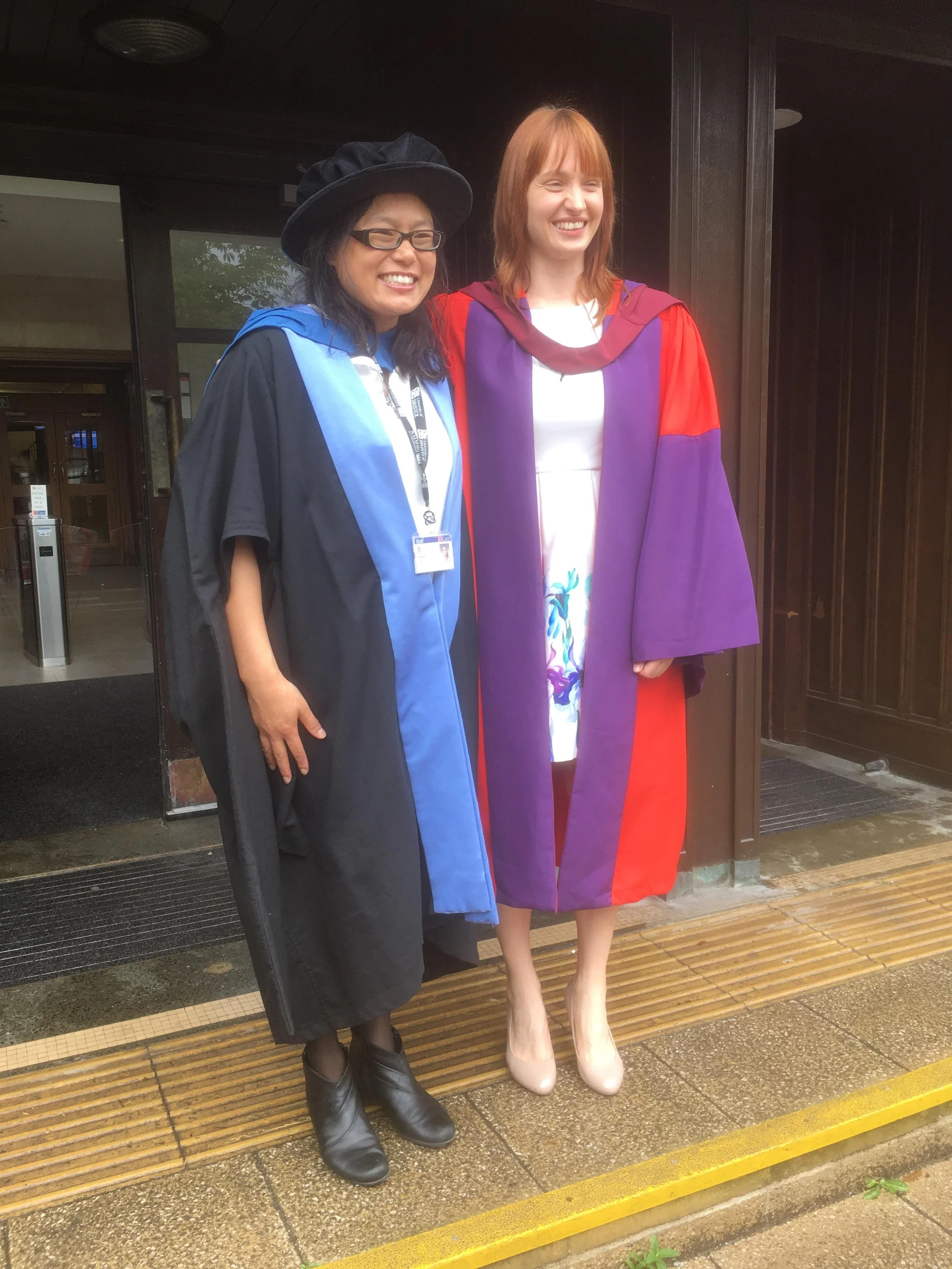
Today, Jemma holds multiple degrees across chemistry, sustainable chemical technologies, and mechanical engineering, while demonstrating cutting-edge research into the future of hydrogen. But she’s the first to admit she didn’t see any of this coming.
“I didn’t realise engineering was an option. No one ever mentioned it.”
When you ask Jemma what excites her most about her hydrogen research, her eyes will immediately light up as she tells you, “It’s the bigger picture. The idea that you could have a fuel that’s completely clean, or that you can almost make your own energy.”
“It’s endlessly fascinating. You can never get bored. The idea that you can take water, split it to make hydrogen and then recombine it to power a car, that captured my imagination.”
Alongside research, Jemma’s teaching is where she feels her greatest impact lies. Her award-winning approach focuses on conversation, curiosity, and making STEM real.
“For me, great STEM teaching is never being afraid to ask why, it's about making it more applicable, more tangible, and having a really good narrative.”
Her years as a Girlguiding leader profoundly shaped how she thinks about leadership and empowerment.
“Girlguiding is so participant-led. It’s a two-way discussion about what they want to do, and it was a really nice, safe space that they could come and talk to you.”
That philosophy now underpins how she supports her students, with encouragement and a belief that every girl should feel she belongs in STEM.
Despite progress, Jemma is honest about the continuing challenges facing women and girls in science, discussing pink and blue toy shop sections and discouraging comments such as “she’ll be a heartbreaker” or “he’ll be an engineer”, she added “they can really impact child development. It’s about making sure there are role models in place to encourage women to stay in these careers.”
“It’s seeing someone that you can identify with. That’s really powerful for getting people into STEM projects.”
And then lies the “leaky pipeline” of women leaving higher STEM positions due to environments that “don’t adapt to their needs quickly enough”, particularly around maternity and flexibility.
“There’s a lot of really good stuff happening in universities,” she says, but the real solution lies in “if you have more funding available, you could offer more opportunities and help that way. How do we link earlier experiences to what students are interested in later in life?”
But why are girls and women essential to the future of sustainable engineering? For Jemma, the answer is simple:
“Women are 50% of the population. They should shape it because they are a part of the future."
“The more diverse the team, the better it performs. We don’t know what we don’t know, and diversity helps us see what’s missing.” She points to classic examples, like historic crash-test dummies built only around the male body, or AI systems trained on homogeneous datasets.
“It’s really important we get more people in the room, particularly girls, as they’re a really integral part of the future, and they can be living in it as much as anybody else.”
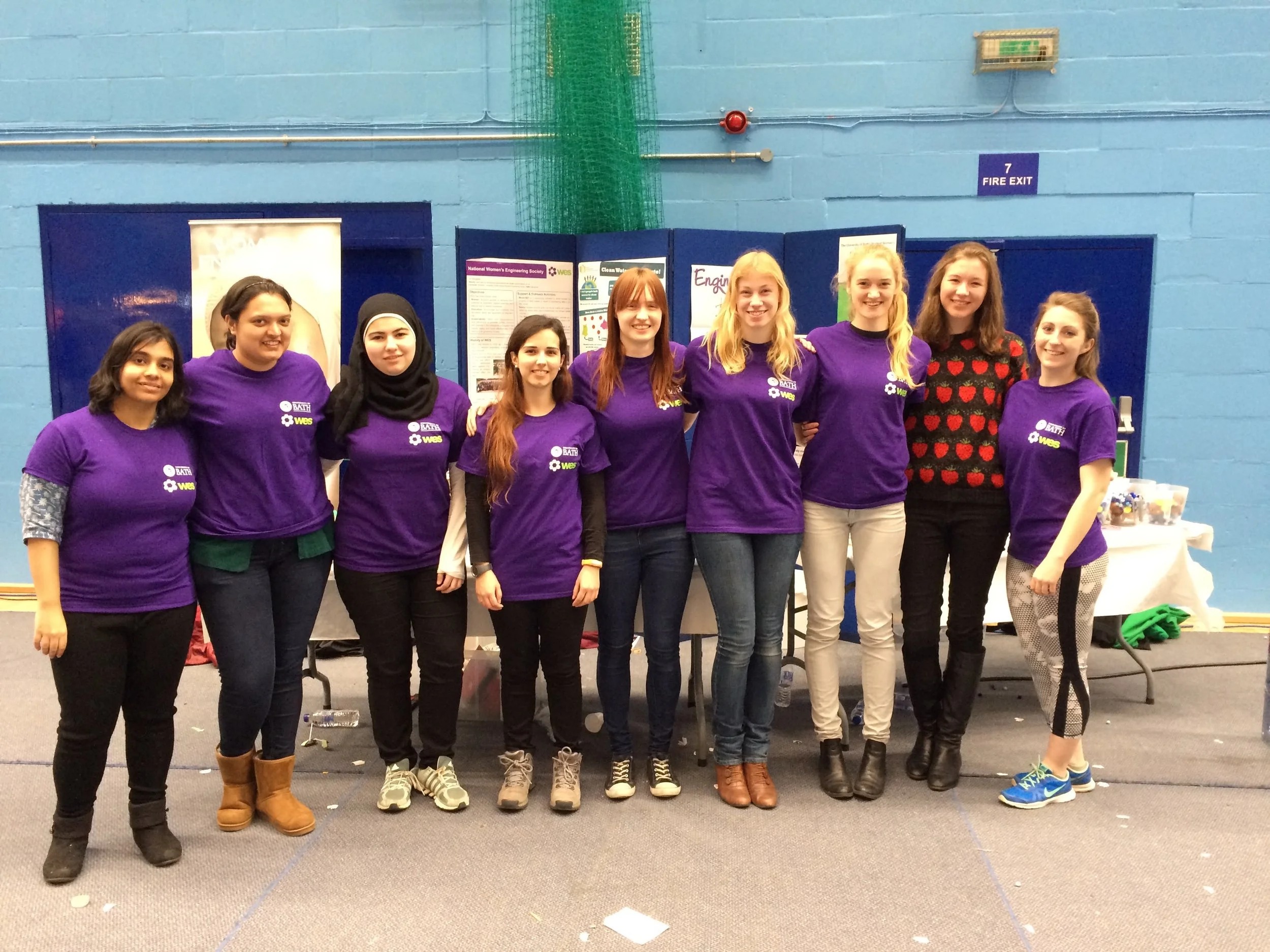
On International Day of Women and Girls in Science, Jemma’s advice is hopeful and powerful:
“If you love science, then you belong in STEM.
“Follow your interests and follow the joy.”
And for girls unsure of taking that first step?
“A lot of girls don’t feel like they belong in science because they can’t see themselves in the people who are already there.
“Build your own stuff, watch good Sci-Fi films, do anything that really interests you and ask teachers for advice on projects. But if you love it, then you belong in it.”