

GW-SHIFT Case Studies
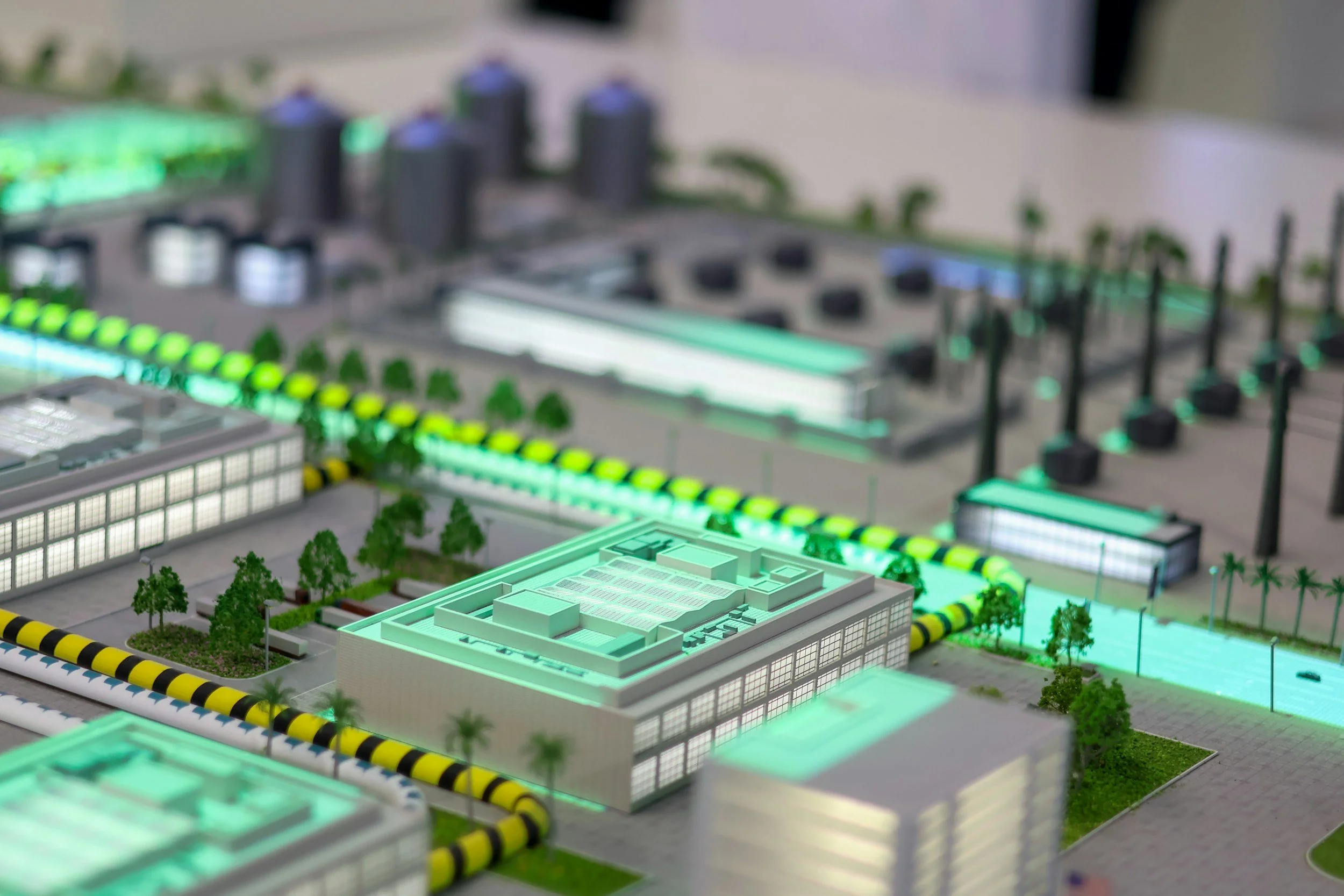
Hydrogen in the Valleys – GW-SHIFT secondment supporting council-led, hydrogen production in Caerphilly
After successfully securing GW-SHIFT funding, Dr Stephen Carr was seconded into Caerphilly, continuing his work alongside CCBC on the ‘Innovation in Council Led Hydrogen Project Development’.
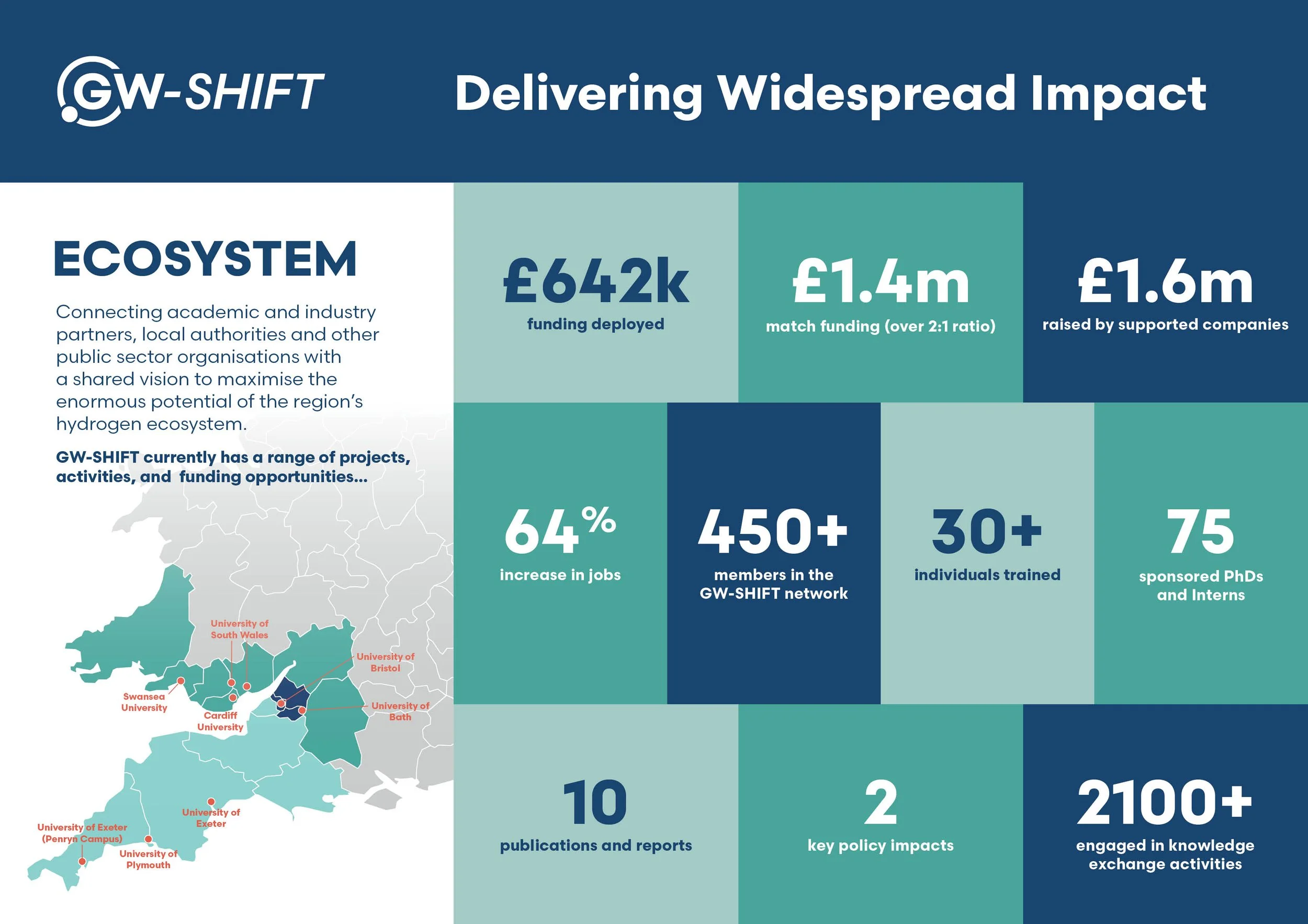
Generating widespread impact across our hydrogen ecosystem
Connecting academic and industry partners, local authorities and other public sector organisations with a shared vision to maximise the enormous potential of the region’s hydrogen ecosystem.
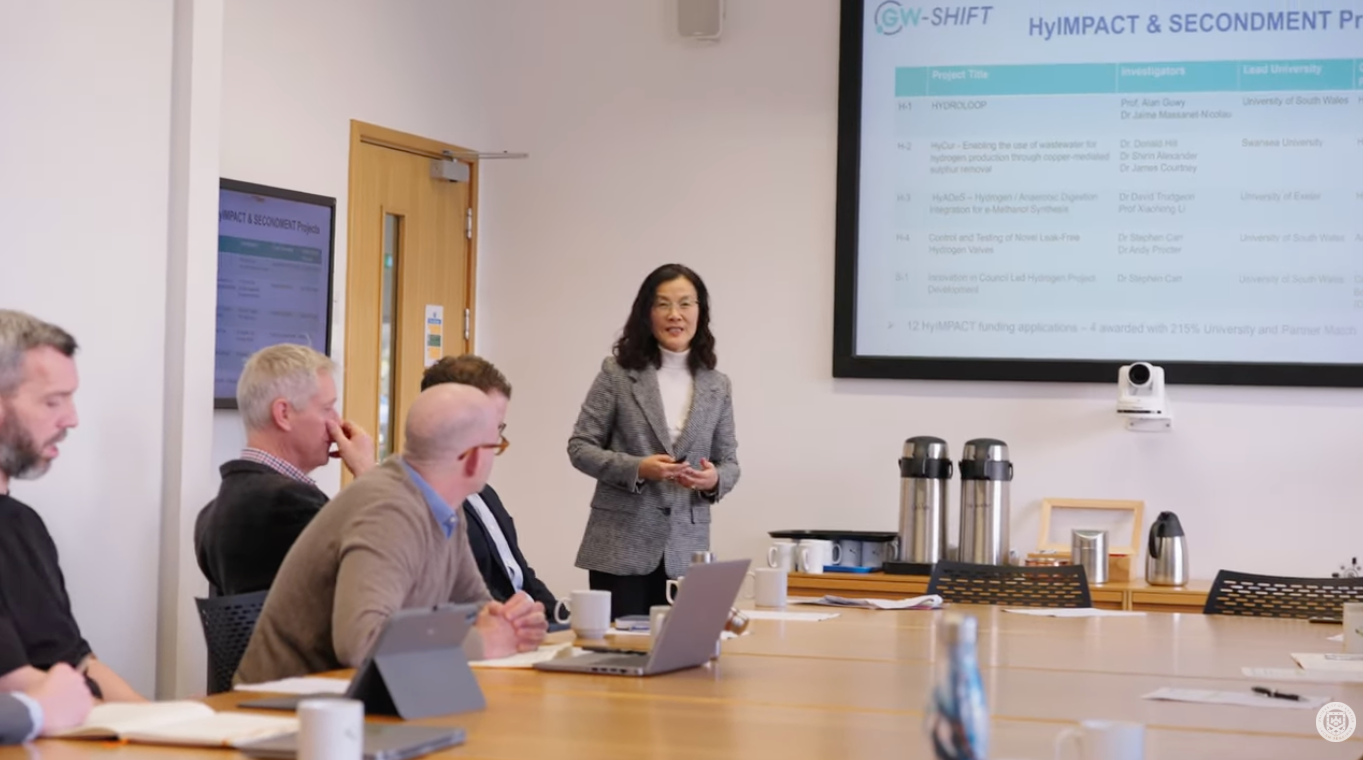
Bridging the gap between academia and industry: developing standardised testing protocols for green hydrogen catalysts
This GW-SHIFT SPRINT project built on an established collaboration between the University of Exeter and Johnson Matthey to address a key barrier to green hydrogen deployment: the lack of standardised, industrially relevant testing protocols for electrocatalyst materials.
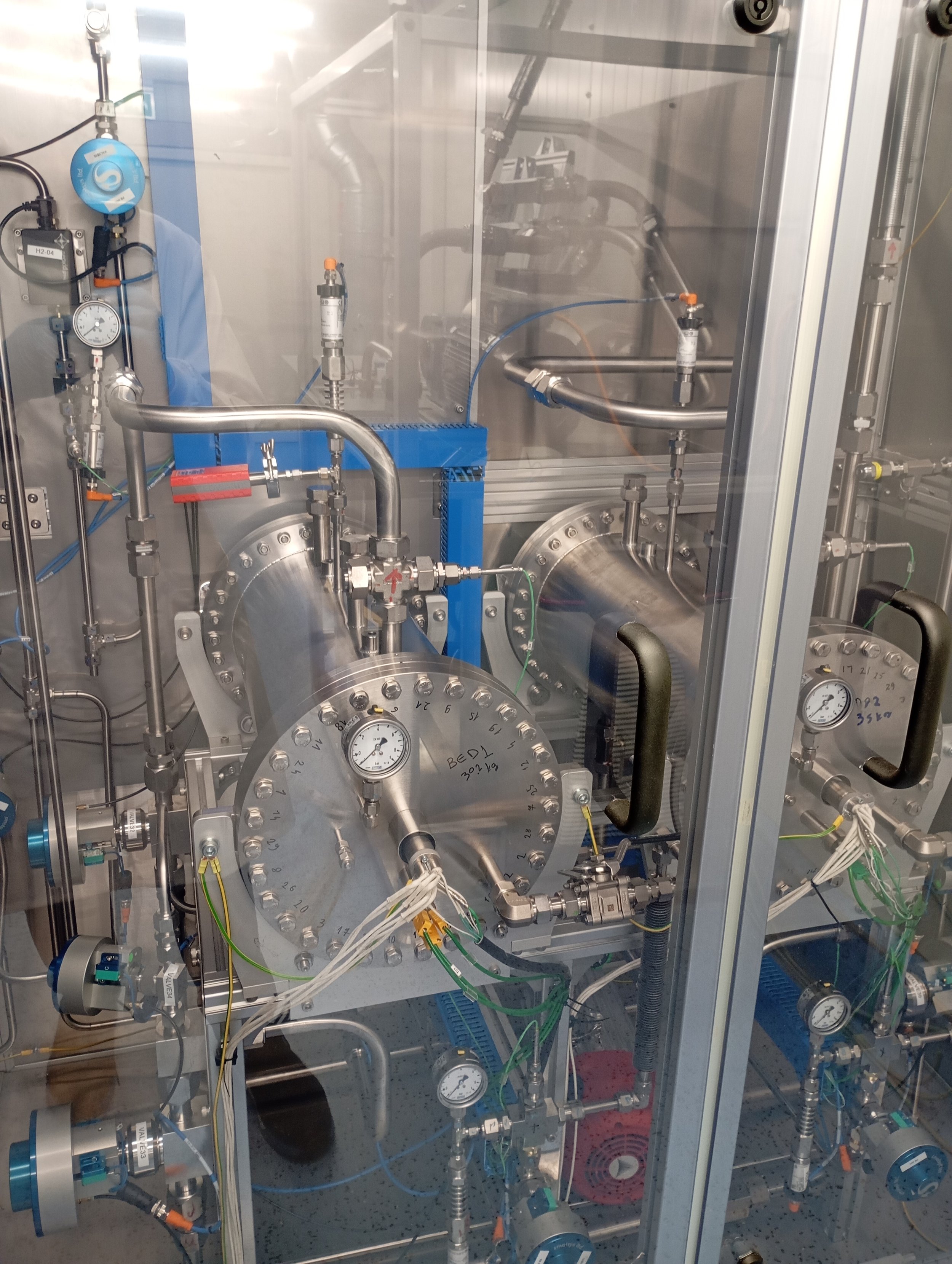
Application of LaNi₅ storage beds for vehicular applications
Hydrogen-powered vehicles such as the Toyota Mirai currently rely on high-pressure gas tanks, which are costly to manufacture, energy-intensive to fill, and present storage and safety challenges. This SPRINT explored whether metal hydrides, specifically the metal hydride alloy LaNi₅, could provide a safer, lower-pressure and potentially more compact alternative for onboard hydrogen storage.
Techno-economic evaluation of hydrogen use via ammonia for decarbonising industry in Wales
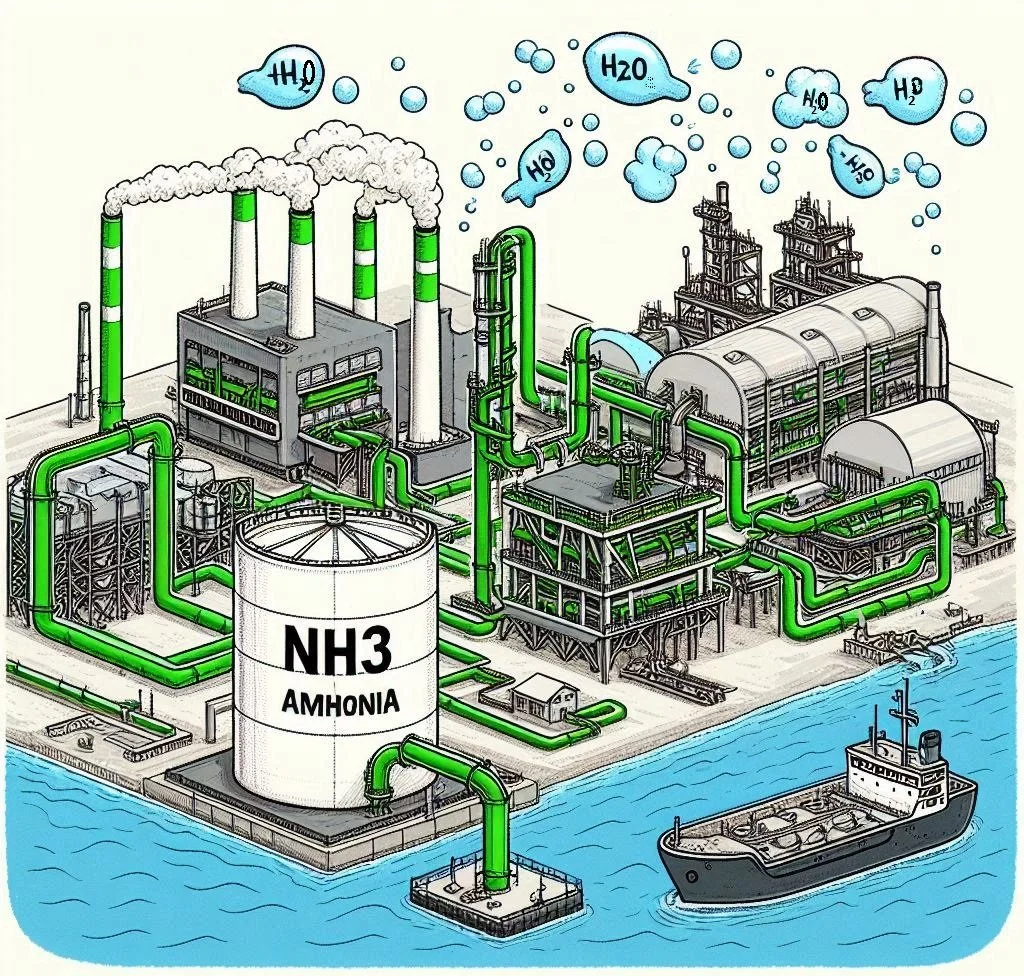
Heavy industry plays a vital role in the Welsh economy but is also a major source of carbon emissions. While hydrogen is widely seen as a key solution for industrial decarbonisation, transporting and storing hydrogen can be costly and complex. This SPRINT explored whether ammonia could act as a practical carrier for hydrogen, helping industries transition away from fossil fuels.
Cardiff University leads collaborative GW-SHIFT SPRINT project
Cardiff University has partnered with Wales and West Utilities, CR Plus, CCRE, and steel manufacturer CELSA to explore the feasibility of using ammonia to significantly reduce carbon emissions in steel production.