The South West, including South Wales, is positioning itself as a national and global leader in hydrogen research, driven by the GW-SHIFT (Great Western Supercluster of Hydrogen Innovation & Future Technologies) network, which is powering green, inclusive growth across the region.
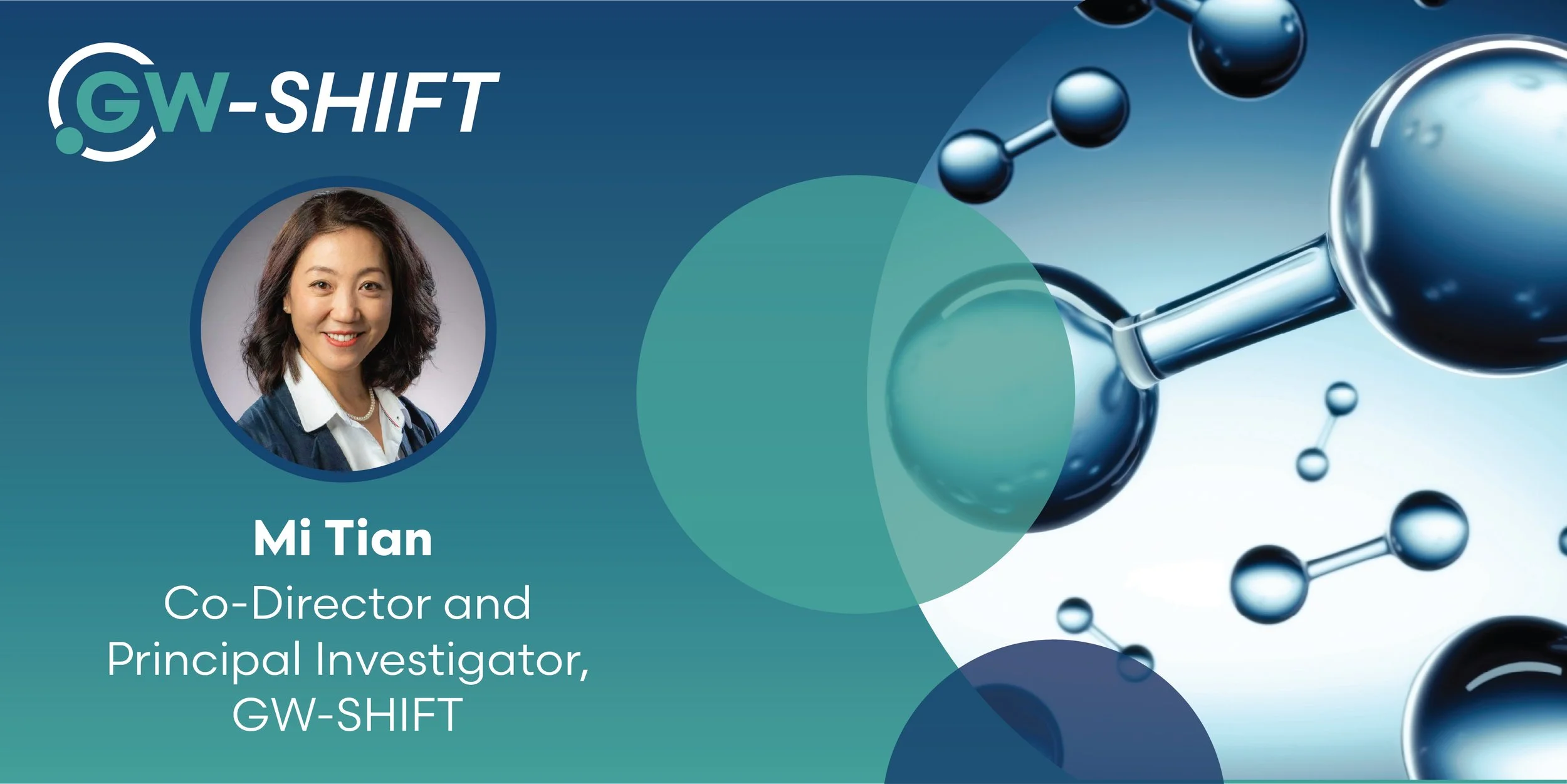
GW-SHIFT connects academic and industry partners, local authorities, and other public sector organisations, and has recently appointed Mi Tian, Professor of Sustainable Hydrogen Energy at the University of Bath, as its new Co-Director and Principal Investigator. Professor Xiaohong Li from the University of Exeter remains a Co-Director, and Professor Tim Mays continues in an advisor position as an emeritus Professor.
Dr Tian, who has spent more than a decade researching hydrogen since her PhD, believes the South West is uniquely placed to spearhead the UK’s hydrogen transition. “Through GW-SHIFT, we aim to speed up the adoption of hydrogen and lead hydrogen innovation in the UK and globally,” she said.
A career powered by clean energy
For Dr Tian, the draw of hydrogen stems from a longstanding belief in the transformative power of clean energy. “Energy drives modern society forward,” she explained. “With breakthroughs in AI and digital technologies, power will become even more critical for future industry. Clean energy, especially hydrogen, will be a key part of that future.”
A cutting-edge hydrogen laboratory
A major catalyst for this new wave of research is the University of Bath’s upgraded hydrogen laboratory.
The revamped lab now features:
advanced hydrogen monitoring and alarm systems
a high-standard hydrogen piping network
new gravimetric hydrogen storage equipment combined with Mass Spec, enabling experiments across wide temperature and pressure ranges
high pressure volumetric equipment for hydrogen measurement up to 200 bar
Hydrogen material characterisation suit.
These upgrades allow researchers to explore hydrogen production, storage, and utilisation with far greater precision and safety.
The facility attracts a long waiting list of collaborators from the UK, China, Australia and beyond. Hydrogen research, Dr Tian notes, is inherently slow and requires specialised training. “It’s not just about building a high-profile lab, it’s about having researchers with the right skills and capacity to use it safely and effectively.”
Why the South West matters
The South West’s geography and industry profile make it a prime testbed for hydrogen innovation. The region hosts major energy-intensive industries such as Airbus, and benefits from abundant renewable energy sources.
“It’s an ideal place to develop hydrogen as large-scale, seasonal energy storage for renewables, and as a clean fuel for aviation and other sectors,” Dr Tian said. She believes the region could become a model for national and international hydrogen deployment.
The importance of the GW-SHIFT Network
Dr Tian emphasises that hydrogen’s success depends not just on scientific breakthroughs, but on a fully developed hydrogen ecosystem.
“Hydrogen production, storage, transportation, end use, policy, economics, public acceptance, each part matters,” she said. “No single element works on its own. We need the whole ecosystem to evolve together.”
The GW-SHIFT network aims to bring together:
Academics
Industry partners
Policymakers
Local stakeholders
The public
By doing so, it supports innovation, funding access, and cross-sector collaboration.
Get involved
There are several ways to engage with GW-SHIFT. You can find out more via the website gw-shift.org or you can join the GW-SHIFT Innovation Network, a growing online community for all stakeholders involved in the hydrogen sector in the South West, go to: https://innovation.setsquared.co.uk/topics/50376/page/about